In today’s fast-paced digital economy, businesses of all sizes are increasingly relying on cloud-based software to streamline operations, improve productivity, and scale efficiently. Among these solutions, Enterprise SaaS (Software as a Service) has become a cornerstone for modern organizations. From customer relationship management to finance, HR, cybersecurity, and data analytics, SaaS platforms are reshaping how enterprises operate.
However, choosing the right Enterprise SaaS solution is not a simple task. With thousands of vendors in the market, each offering different features, pricing models, and integrations, businesses often struggle to make the right decision. A poor choice can lead to wasted resources, security risks, operational inefficiencies, and long-term financial losses.
This comprehensive guide will walk you through everything you need to know about selecting the right Enterprise SaaS solution for your company. You will learn how to evaluate your business needs, compare vendors, assess scalability, ensure security, and make a data-driven decision that supports long-term growth.
Understanding Enterprise SaaS Solutions
Enterprise SaaS refers to cloud-based software applications designed specifically for large organizations or rapidly growing businesses. Unlike traditional on-premise software, SaaS solutions are hosted in the cloud and accessed via the internet, usually through a subscription model.
Key Characteristics of Enterprise SaaS
- Cloud-based access from anywhere
- Subscription-based pricing (monthly or annually)
- Automatic updates and maintenance
- High scalability for growing businesses
- Integration with multiple systems and APIs
- Multi-user and role-based access control
Common examples include CRM systems, ERP platforms, HR management tools, accounting software, and marketing automation platforms.
Why Choosing the Right SaaS Solution Matters
Selecting the right SaaS platform is more than just a technical decision—it directly impacts your business performance, efficiency, and profitability.
Business Impact Areas
- Operational Efficiency
The right SaaS tool automates repetitive tasks, reducing manual workload and increasing productivity. - Cost Optimization
Poorly chosen software can lead to unnecessary expenses, duplicate tools, or unused features. - Scalability
As your company grows, your SaaS solution should grow with you without requiring a complete system overhaul. - Data Security
Enterprise systems often handle sensitive data. A weak platform can expose your business to cyber threats. - Employee Productivity
Intuitive and well-integrated systems improve user adoption and workflow efficiency.
Step 1: Identify Your Business Needs
Before exploring SaaS vendors, you must clearly define your business requirements.
Questions to Ask
- What specific problems are we trying to solve?
- Which departments will use the software?
- What workflows need automation?
- Do we need integration with existing tools?
- What is our expected growth in the next 3–5 years?
Example Use Cases
- A sales team may need a CRM system.
- HR departments may require employee management software.
- Finance teams may need accounting and invoicing tools.
- Marketing teams may need automation and analytics platforms.
By clearly identifying needs, you avoid purchasing unnecessary features that increase cost and complexity.
Step 2: Evaluate Scalability and Flexibility
One of the most important factors in choosing Enterprise SaaS is scalability.
What to Look For
- Ability to support increasing users and data volume
- Flexible pricing plans based on usage
- Modular features that can be added or removed
- Performance stability during peak usage
A scalable SaaS solution ensures your business does not outgrow the platform too quickly. This is especially important for startups and rapidly expanding companies.
Step 3: Assess Integration Capabilities
Modern businesses use multiple software tools simultaneously. Therefore, integration capability is critical.
Key Integration Factors
- Compatibility with existing systems (ERP, CRM, HR tools)
- Availability of APIs (Application Programming Interfaces)
- Pre-built integrations with popular platforms
- Ease of data migration and synchronization
A SaaS solution that integrates smoothly with your tech stack reduces manual work, eliminates data silos, and improves workflow efficiency.
Step 4: Evaluate Security and Compliance
Security is one of the most critical aspects of Enterprise SaaS selection.
Essential Security Features
- Data encryption (in transit and at rest)
- Multi-factor authentication (MFA)
- Role-based access control
- Regular security audits
- Compliance with standards like GDPR, ISO 27001, SOC 2
If your company operates in regulated industries such as finance, healthcare, or legal services, compliance becomes even more important.
Never compromise on security for lower cost or additional features.
Step 5: Consider User Experience and Interface
Even the most powerful SaaS solution will fail if employees find it difficult to use.
UX Evaluation Criteria
- Clean and intuitive interface
- Minimal learning curve
- Mobile and cross-device compatibility
- Customizable dashboards
- Accessibility features
A user-friendly system increases adoption rates and reduces training costs.
Step 6: Analyze Pricing and Total Cost of Ownership (TCO)
Enterprise SaaS pricing can be complex. Beyond subscription fees, you must consider the total cost of ownership.
Cost Components
- Subscription or licensing fees
- Setup and implementation costs
- Training and onboarding expenses
- Integration costs
- Premium feature add-ons
- Support and maintenance fees
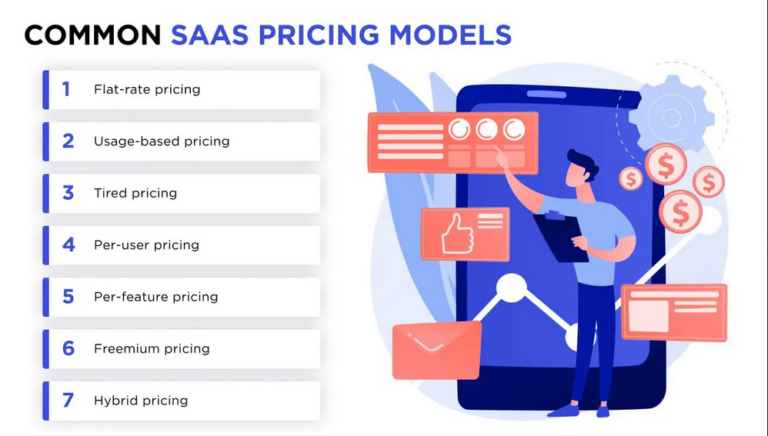
Pricing Models
- Per user pricing
- Tiered pricing (basic, professional, enterprise)
- Usage-based pricing
- Flat-rate enterprise pricing
Always compare long-term costs, not just initial pricing.
Step 7: Check Vendor Reputation and Support
The reliability of the vendor is just as important as the software itself.
What to Research
- Customer reviews and testimonials
- Case studies and success stories
- Industry reputation
- Financial stability of the company
- Quality of customer support
Support Considerations
- 24/7 customer support availability
- Dedicated account manager for enterprise clients
- Response time for technical issues
- Availability of documentation and training resources
A strong support system ensures minimal downtime and faster issue resolution.
Step 8: Request a Demo and Trial
Never commit to an Enterprise SaaS solution without testing it first.
What to Evaluate During a Demo
- Real-world usability
- Feature relevance to your business
- Performance under workload
- Ease of customization
- Integration testing
A hands-on trial helps you identify potential issues before making a long-term commitment.
Step 9: Evaluate Customization Options
Every enterprise has unique workflows. A good SaaS solution should adapt to your business—not the other way around.
Customization Features
- Workflow automation tools
- Custom dashboards and reports
- API customization
- Role and permission configuration
- Branding options
The more flexible the system, the better it can align with your internal processes.
Step 10: Consider Future Technology Trends
Technology evolves rapidly. Your SaaS choice should be future-ready.
Emerging Trends to Look For
- Artificial Intelligence and Machine Learning integration
- Predictive analytics capabilities
- Automation and no-code/low-code tools
- Cloud-native architecture
- Enhanced cybersecurity features
Choosing a forward-looking platform ensures long-term relevance and reduces migration costs in the future.
Common Mistakes to Avoid
Many companies make critical mistakes when selecting SaaS platforms.
1. Choosing Based on Price Alone
Cheap solutions often lack scalability and security.
2. Ignoring Integration Needs
Poor integration leads to data silos and inefficiencies.
3. Overlooking User Experience
Complex tools reduce employee adoption.
4. Not Planning for Growth
A system that works today may fail tomorrow.
5. Skipping Vendor Evaluation
Unreliable vendors can cause long-term operational risks.
Best Practices for SaaS Selection
To ensure success, follow these best practices:
- Involve multiple departments in decision-making
- Create a detailed requirements checklist
- Compare at least 3–5 vendors
- Prioritize scalability and security
- Test thoroughly before purchase
- Plan for long-term implementation and training
Conclusion
Choosing the right Enterprise SaaS solution is a strategic decision that can significantly impact your company’s efficiency, scalability, and long-term success. It requires careful planning, thorough evaluation, and a clear understanding of your business needs.
By focusing on scalability, integration, security, usability, and total cost of ownership, you can avoid costly mistakes and select a solution that truly supports your organization’s growth.
In a competitive digital landscape, the right SaaS platform is not just a tool—it is a foundation for innovation, productivity, and sustainable business success.